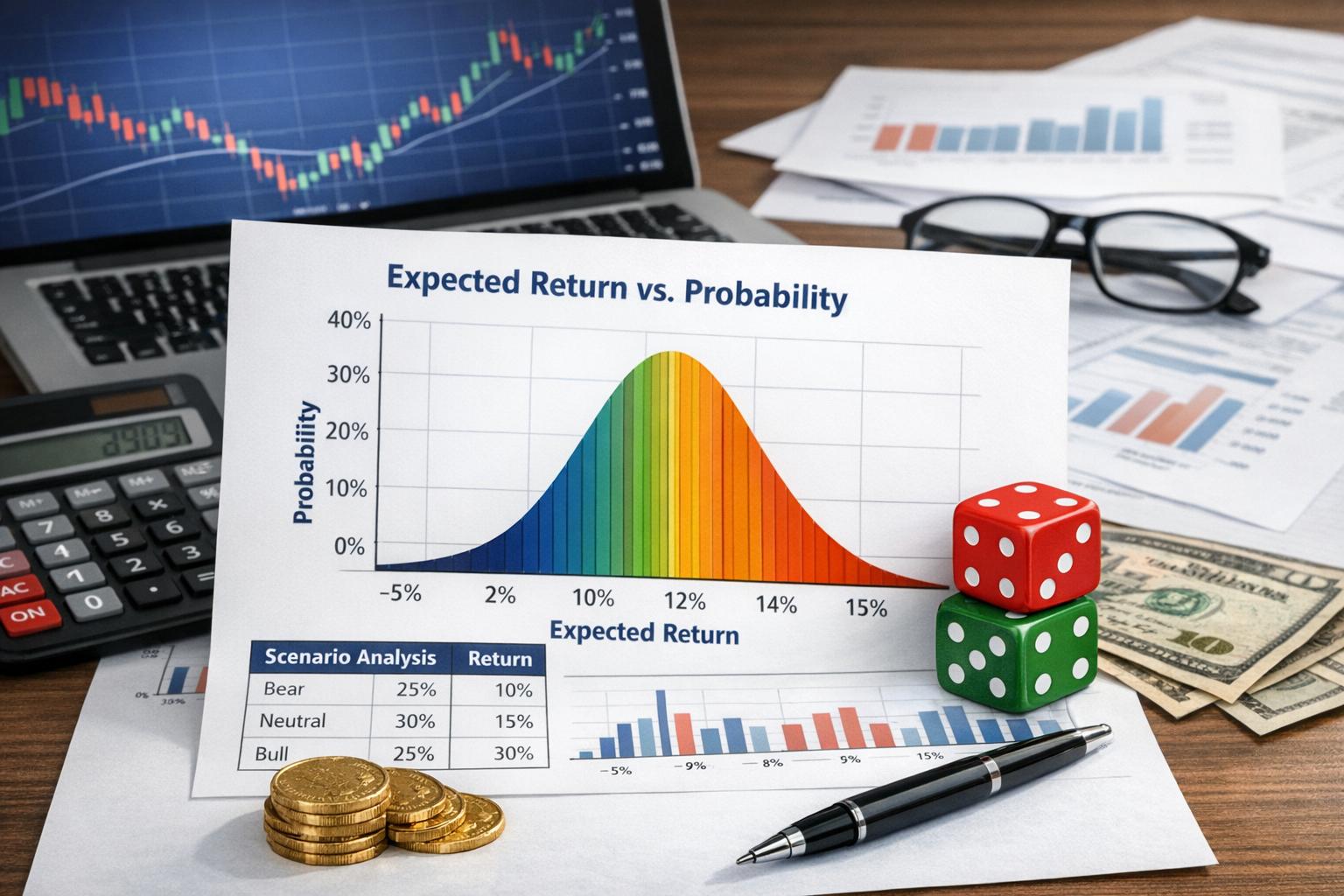
Expected return and probability in finance provide a structured method for assessing uncertain outcomes. Investors cannot know an asset’s future return with certainty, but they can estimate possible results, assign probabilities to them, and calculate an average expected result. That estimate helps compare investments, set portfolio weights, evaluate trades, and decide whether the potential reward … Read More “Expected Return and Probability in Finance” »
Author: admin
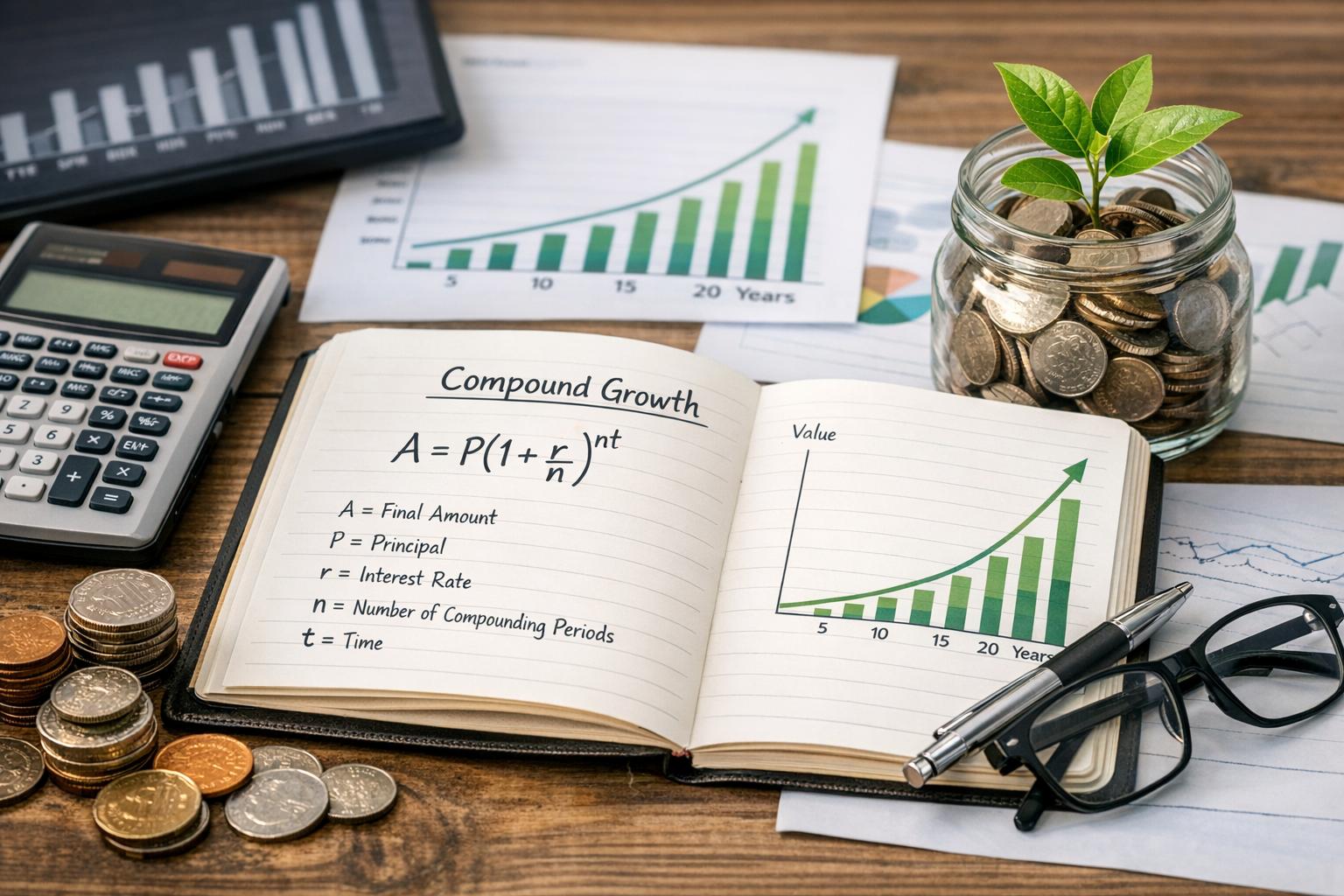
Compound growth is a mathematical process in which an amount earns growth on its original value and on gains accumulated during earlier periods. The same principle applies to savings interest, investment returns, inflation, business revenue, population change, and unpaid debt. The defining feature is that each period’s gain becomes part of the base used for … Read More “The Mathematics of Compound Growth” »
Financial markets perform two related functions. They allow participants to buy and sell assets, and they convert incoming information into prices. Every order expresses a view, whether the trader has formed that view through detailed research, an automated signal, a need for cash, or a simple change in risk tolerance. Shares, bonds, currencies, commodities, and … Read More “How Financial Markets Process Information” »
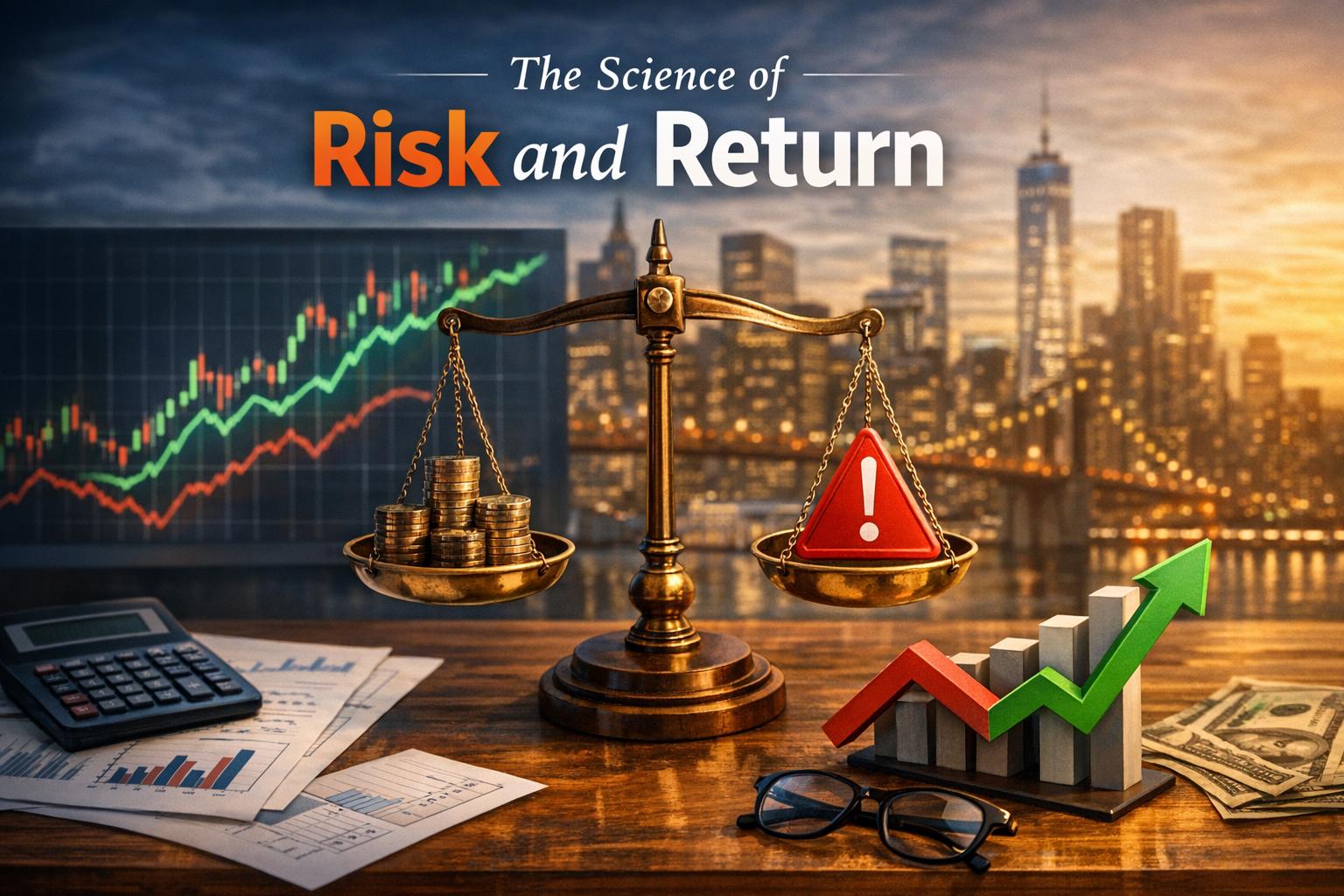
The relationship between risk and return sits at the centre of investment analysis. Assets with higher expected returns usually expose investors to a greater chance of loss, wider price movements, uncertain income, or a longer wait before capital can be recovered. That does not mean taking more risk automatically produces more profit. A poorly judged … Read More “The Science of Risk and Return” »
Swing trading is often discussed as though profitability can be reduced to one clean statistic: what percentage of swing traders actually make money? Unfortunately, the available research does not provide a reliable universal figure. There are plenty of claims online suggesting that 5%, 10%, 20% or some other conveniently round percentage of swing traders are … Read More “Profitability of Swing Trading” »
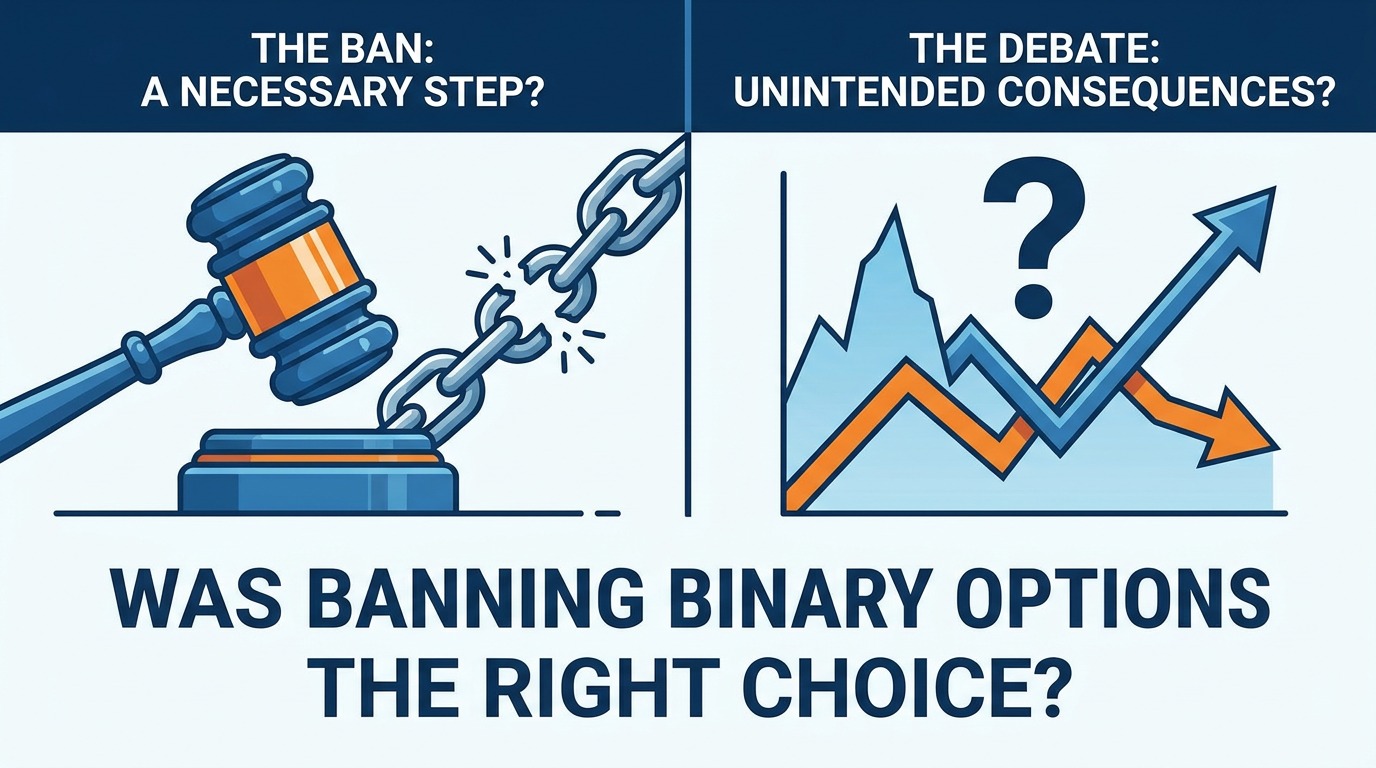
The decision to ban binary options for retail traders was easy to understand. Regulators were looking at a market where most customers lost money, conflicts between brokers and clients were common, contracts frequently expired within minutes and fraudulent websites had become closely associated with the product. In the UK, the Financial Conduct Authority permanently prohibited … Read More “Was Banning Binary Options the Right Choice?” »
Investment fraud remains a serious problem in the UK despite tighter financial regulation, better banking controls and greater public awareness of online scams. Fraudsters have become better at copying legitimate investment firms, using social media to find potential victims and building trading platforms that can look convincing enough to survive a casual background check. Recent … Read More “Investor Scams Remain a Problem in the UK” »
Financial scams are becoming a more visible problem in Kenya as investing, mobile money and online trading move further onto phones and social media. The same technology that has made it easier to open a legitimate trading account or invest in a fund has also made it easier for fraudulent operators to imitate financial companies, … Read More “Financial Scams on the Rise in Kenya” »